The project
About Uga
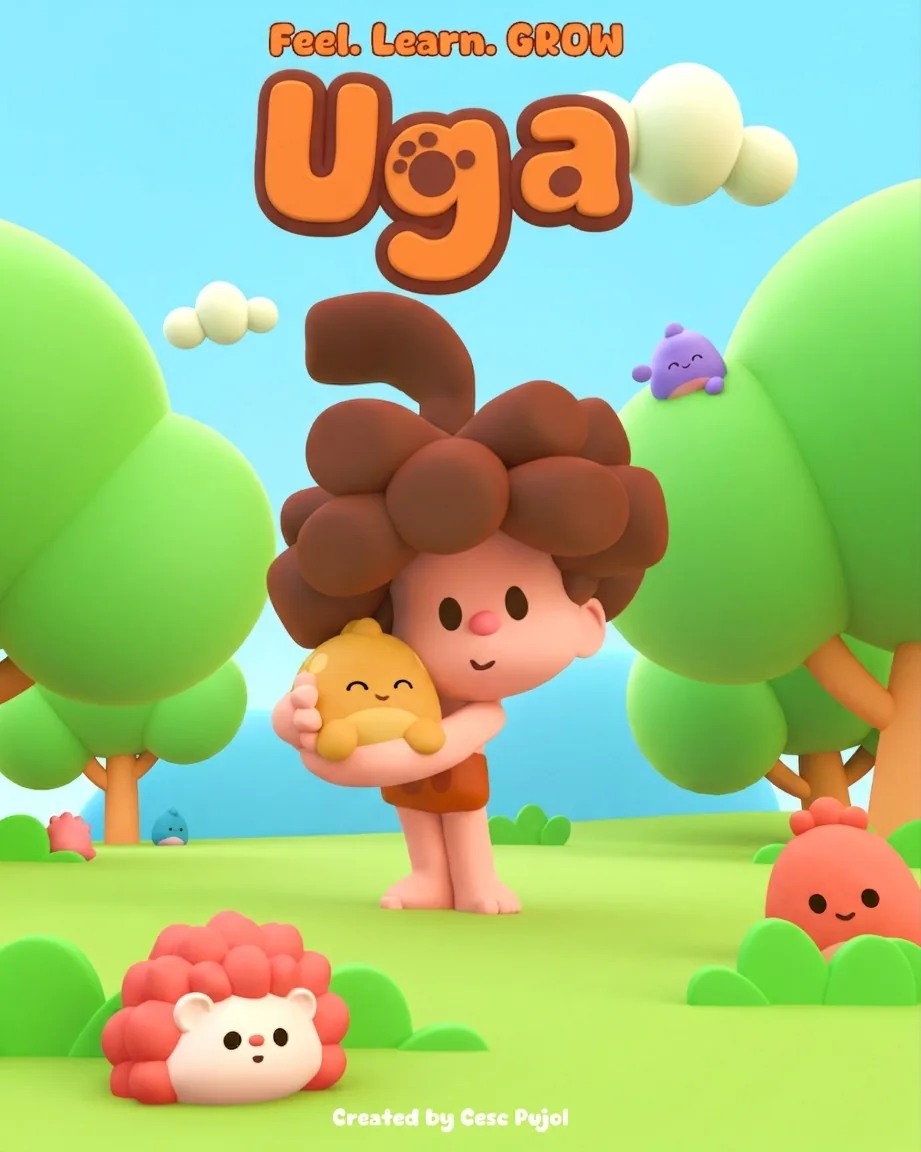
Uga starts from a simple idea: small children feel enormous things and have very few words to name them. The series lends them those words through image, gesture and physical comedy, so that grown-ups can talk about it with them afterwards.
What the stories are like
Every episode starts from a minimal, recognisable situation: something breaks, something has to be waited for, someone cries. Uga reacts the way any small child would, with no malice and no calculation.
The resolution never arrives as a moral. It arrives as action: a gesture, a discovery, a shared laugh.
Who it's for
For whom
Children aged 2 to 5
Short running time, little dialogue, one idea per episode and no scares. It works in any language.
Families
Made to be watched with a grown-up nearby, who will find an open door for conversation at every ending.
Preschool classrooms
One episode works as a starting point for exploring a specific emotion during circle time.
The emotions
Emotions
These are six primary emotions in early childhood. In Uga, each one can be seen, named and talked about with calm and curiosity.
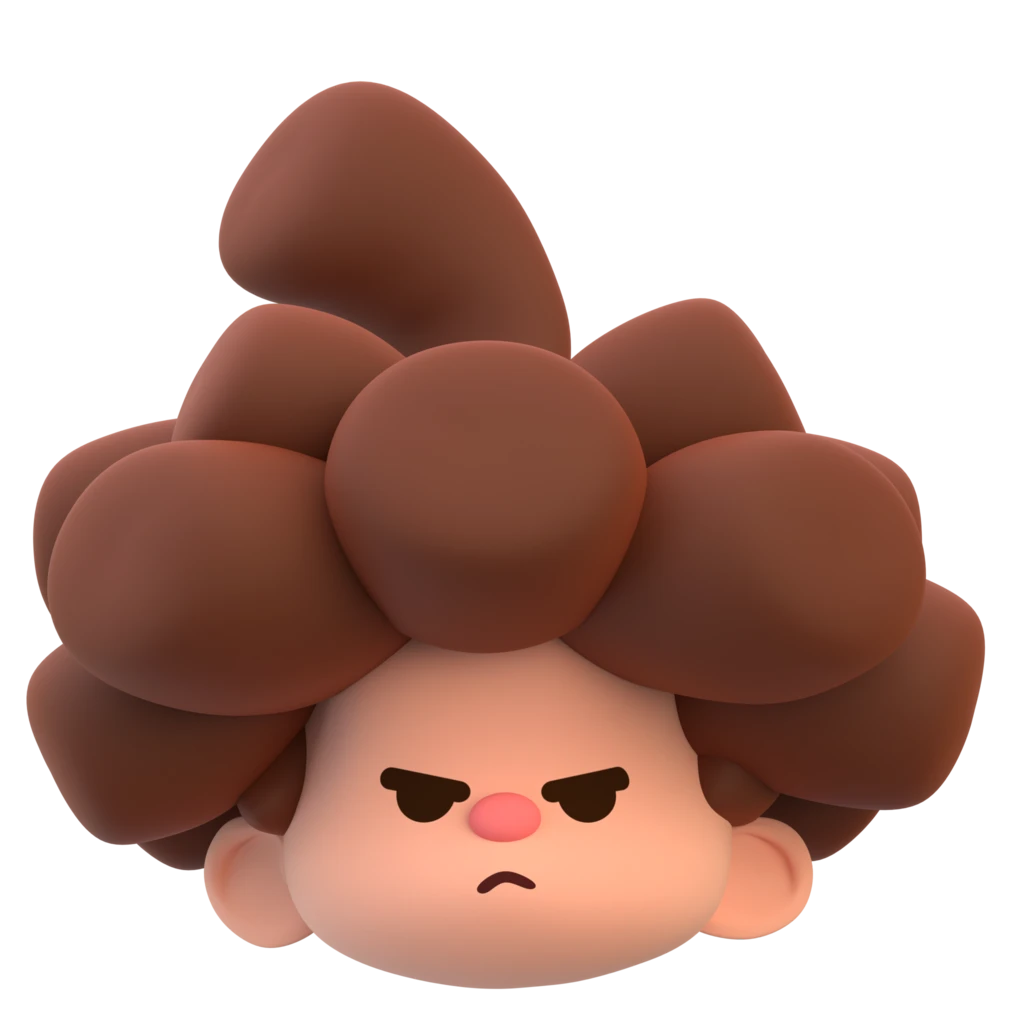
How to watch Uga with your children
How to watch
Sit close
Same sofa, same screen. The series is made to be watched together, not left playing in the background.
Let it happen
There is no need to explain anything during the episode. The image is already doing it.
Ask when it ends
Three questions are enough. There are no right answers, only their answers.
Keep the word
When the emotion turns up again in real life, name it the way the episode did. That is where the learning happens.
The three questions
- How do you think Uga feels?
- Have you ever felt like that?
- What could we do to help?
They work with any episode and with children of any age. If they answer with a gesture instead of words, that counts too.